torture charges against Maduro have recently come to light, adding to the growing scrutiny of his regime’s human rights record. These new allegations could have significant implications for Venezuela’s political landscape.
Overview of the Torture Charges
The recent allegations of torture charges against Maduro have sparked international outrage and raised questions about human rights violations in Venezuela. Various human rights organizations have reported extensive evidence suggesting that the Maduro regime has systematically employed torture as a method of repression against political dissidents.
According to a detailed report released this week, numerous victims have come forward, detailing harrowing accounts of abuse while in detention. These accounts include:
- Physical Torture: Victims describe severe beatings, electric shocks, and other forms of physical abuse aimed at extracting confessions or silencing dissent.
- Psychological Torture: Many detainees report being subjected to threats, isolation, and humiliation, contributing to long-term mental health issues.
- Extrajudicial Killings: There are allegations that some individuals have been killed in custody, further highlighting the brutal tactics employed by Maduro’s government.
International bodies, including the United Nations, are now calling for an independent investigation into these chilling allegations. The torture charges against Maduro could have significant implications, both for his regime and for Venezuela’s future as a nation striving for justice and accountability.
Background on Maduro’s Regime
Since Nicolás Maduro assumed the presidency of Venezuela in 2013, his regime has been marked by widespread allegations of human rights abuses. The political landscape in Venezuela has been fraught with tension, particularly following the controversial 2018 elections, which were widely criticized for lacking fairness and transparency. Under Maduro’s leadership, the country has witnessed severe economic decline, leading to shortages of basic goods and escalating social unrest.
The Maduro government has faced mounting international criticism over its handling of dissent and opposition. Numerous reports have emerged detailing the use of violence and intimidation against political opponents, with many activists and dissidents facing arbitrary detention. The recent torture charges against Maduro highlight the growing concern among human rights organizations regarding the treatment of prisoners in Venezuela.
Key factors contributing to the allegations include:
- The militarization of public security, which has led to increased abuses by law enforcement.
- The repression of protests, resulting in the arrest and torture of demonstrators.
- Widespread corruption, which undermines the rule of law and the protection of human rights.
As the international community continues to scrutinize Maduro’s regime, the call for accountability grows louder.
Implications for Human Rights in Venezuela
The recent torture charges against Maduro have raised significant concerns regarding the state of human rights in Venezuela. As allegations continue to surface, the implications for both the Venezuelan populace and the international community are profound.
Human rights organizations have long criticized the Maduro regime, accusing it of systematic abuses. The new allegations only add to the growing list of grievances against the government. Observers argue that these torture charges against Maduro could lead to increased scrutiny from global powers and potential sanctions aimed at holding the regime accountable.
The impact on the Venezuelan people is already palpable. Many citizens live in fear of government reprisals for dissent, and the ongoing climate of oppression stifles freedom of expression. Key implications include:
- Increased International Pressure: Countries may be compelled to take a firmer stance against Venezuela.
- Strengthened Activism: Human rights advocates may rally for justice and accountability.
- Potential Legal Actions: New charges may prompt investigations at international tribunals.
As the situation develops, the hope remains that these allegations will foster greater awareness and action regarding the dire human rights situation in Venezuela.
International Response to the Allegations
In response to the recent torture charges against Maduro, various international organizations and governments have expressed their outrage and concern regarding the ongoing human rights violations in Venezuela. Human Rights Watch and Amnesty International have issued statements condemning the alleged acts of torture and calling for accountability.
Several countries have taken a stand, urging the international community to unite in addressing the situation. Key points include:
- United Nations: The UN has reiterated its commitment to investigating the allegations, emphasizing the need for an independent inquiry into the human rights abuses under Maduro’s regime.
- European Union: The EU is considering further sanctions against Venezuelan officials involved in the alleged torture, aiming to pressure the Maduro government to cease its repressive actions.
- United States: U.S. officials have labeled the torture charges against Maduro as part of a broader pattern of systematic oppression and have vowed to support efforts for justice.
As the international response continues to evolve, the potential for increased diplomatic pressure on Venezuela reflects a growing consensus that accountability is essential for the future of human rights in the country.
Previous Accusations Against Maduro
In recent years, torture charges against Maduro have emerged from various human rights organizations and individuals who have suffered under his regime. These accusations highlight a disturbing pattern of abuse that has allegedly taken place in Venezuela’s detention centers.
One significant report came from the United Nations, which documented numerous instances of torture, including:
- Physical abuse, such as beatings and electric shocks
- Psychological torture, including threats and intimidation
- Sexual violence against detainees
These allegations have been corroborated by testimonies from former inmates, who describe harrowing experiences while in custody. Many survivors report that torture was used as a means of extracting confessions or as punishment for dissent.
Additionally, organizations like Amnesty International and Human Rights Watch have continuously called for investigations into the practices employed by Venezuelan security forces. They assert that the systematic nature of these abuses demonstrates a broader strategy of repression aimed at silencing opposition.
The weight of these previous accusations adds a significant layer of complexity to the current allegations against Maduro, further fueling calls for international accountability and justice for the victims of his regime.
Legal Consequences of Torture
The recent allegations of torture charges against Maduro have ignited discussions about the potential legal consequences he may face. As international scrutiny intensifies, several legal avenues are being explored by human rights organizations and governments around the world.
Legal experts suggest that the charges could lead to various outcomes, including:
- International Prosecution: Various international courts, such as the International Criminal Court (ICC), may consider pursuing charges if substantial evidence is presented.
- Universal Jurisdiction: Some countries could invoke universal jurisdiction, allowing them to prosecute Maduro for human rights violations regardless of where the alleged crimes occurred.
- Sanctions and Diplomatic Measures: Countries may impose stricter sanctions or take diplomatic actions against Maduro’s regime, further isolating him on the global stage.
- Extradition Requests: Should Maduro travel outside Venezuela, he could be subject to arrest and extradition to face charges in countries that recognize the gravity of the allegations.
As these legal consequences unfold, the implications for Maduro’s regime and its supporters remain uncertain, raising questions about accountability and justice within the context of Venezuela’s ongoing political turmoil.
Public Reaction to the News
Public reaction to the news of torture charges against Maduro has been swift and intense. Many Venezuelans are expressing outrage over the allegations, viewing them as a continuation of the regime’s longstanding pattern of repression and abuse. Social media platforms have become a battleground for opinions, with hashtags related to the charges trending as citizens call for justice.
The reaction has been particularly vocal among human rights organizations and activists, who are urging the international community to take a firm stance against Maduro’s government. Amnesty International and Human Rights Watch have both issued statements demanding accountability, highlighting the need for investigations into the alleged torture practices.
In a recent survey, a significant percentage of respondents indicated that they believe these new allegations could lead to a change in government. Many citizens are hoping that increased international pressure will result in action against Maduro, who has consistently denied any wrongdoing.
As protests are organized in various cities, the sentiment is clear: the people of Venezuela are tired of living under a regime that they believe engages in such egregious human rights violations. The torture charges against Maduro may serve as a catalyst for change, fueling a renewed push for accountability and reform.
Future of Venezuela’s Political Climate
The future of Venezuela’s political climate remains uncertain as fresh torture charges against Maduro continue to unfold. The mounting allegations have intensified calls for accountability and have raised questions about the stability of his regime. Many analysts believe that these accusations could lead to significant shifts within the government and the opposition.
In the wake of these allegations, several scenarios could emerge:
- Increased Internal Strife: The accusations may exacerbate existing divisions within Maduro’s administration, potentially leading to power struggles among loyalists.
- Strengthened Opposition: As public outrage grows, opposition groups might gain momentum, rallying citizens to demand change and challenge Maduro’s authority.
- International Pressure: Continued exposure of human rights abuses could result in heightened sanctions or diplomatic isolation from the international community.
- Potential Legal Repercussions: If credible evidence is presented, Maduro could face international legal challenges, complicating his ability to govern effectively.
As these charges gain traction, the delicate balance of power in Venezuela hangs in the balance. The implications of the torture charges against Maduro could reshape the nation’s political landscape for years to come.
The recent investigation has brought to light new evidence supporting the torture charges against Maduro. Activists are calling for international intervention in response to the growing number of torture charges against Maduro.
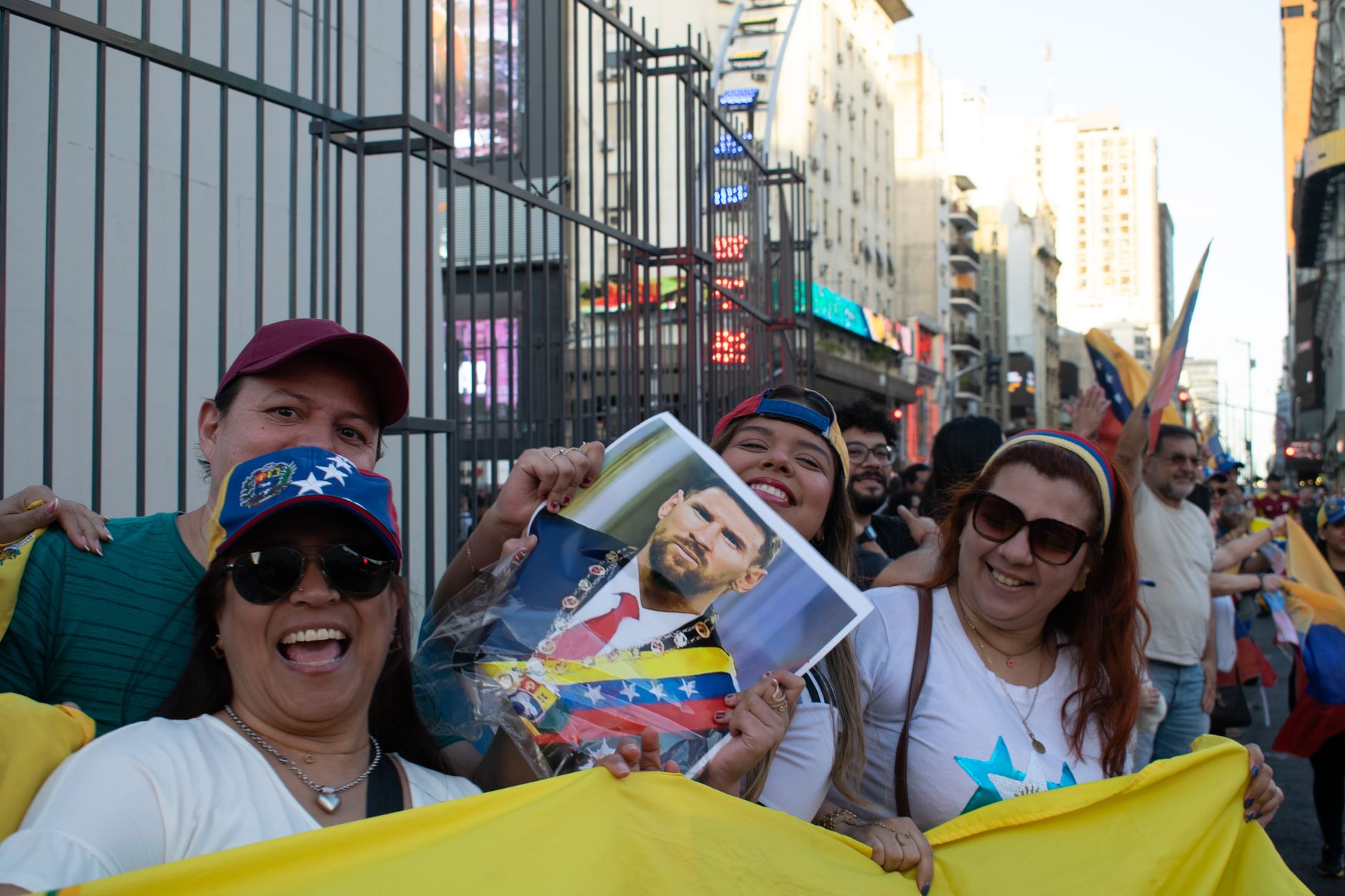
Photo by Renan Braz on Pexels
Sources
Related stories
Sophistication casino lobstermania of Cleopatra Position Remark 2026 96 23% RTP, Demo · Gamble Free Harbors -verkkopeli hauskanpitoon. Ei Internet-kasinot liittymistä vaadita vuonna 2026. · Newest Position Cell phones And you can Rates Inside king arthur slot real money Nigeria 2026 Found
About the Author