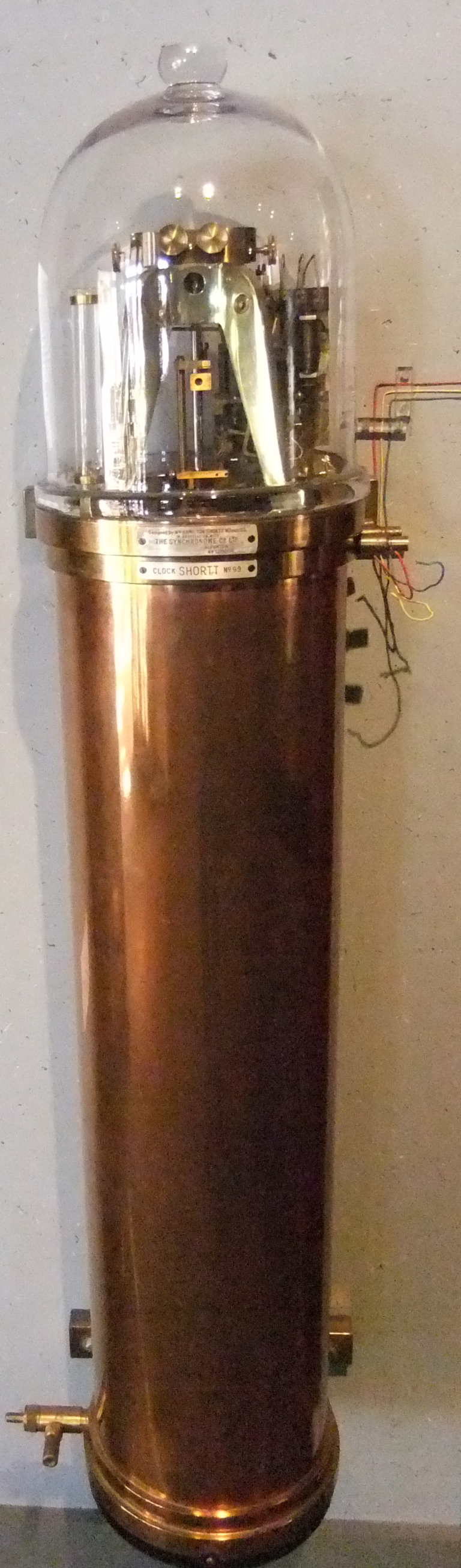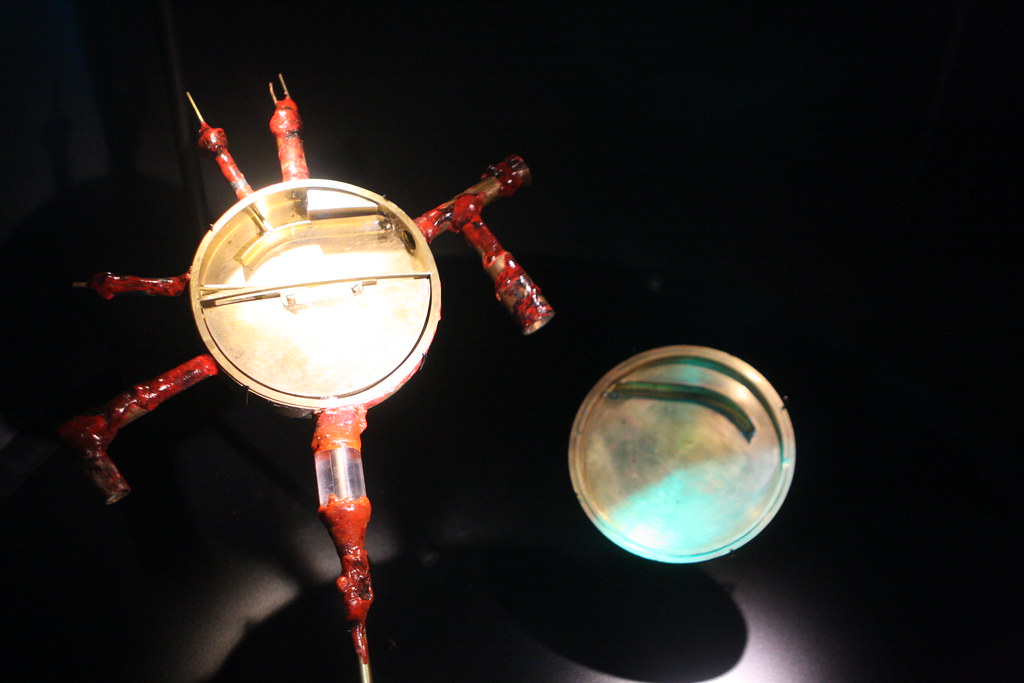
The first particle accelerator significantly advanced research in various fields. This groundbreaking invention not only transformed physics but also made substantial contributions to medicine and art research.
The Legacy of the First Particle Accelerator
The legacy of the first particle accelerator is profound and far-reaching, impacting various fields of science and technology. Developed in the early 20th century, this groundbreaking device allowed physicists to probe the fundamental components of matter.
One of the most significant contributions of the first particle accelerator was in the field of nuclear physics. It enabled researchers to discover new particles, leading to a better understanding of atomic structure. This, in turn, played a crucial role in the development of nuclear energy.
Moreover, advancements in medicine owe much to the innovations brought about by particle accelerators. They are now pivotal in cancer treatment, particularly in radiation therapy, where targeted beams can effectively destroy tumors while minimizing damage to surrounding healthy tissue.
Interestingly, the influence of the first particle accelerator extends beyond traditional sciences. Its principles have found applications in art research, aiding in the analysis and preservation of cultural artifacts.
- Medical advancements: Cancer treatment through radiation therapy.
- Nuclear energy research: Understanding atomic structure.
- Art preservation: Analyzing cultural artifacts.
How the First Particle Accelerator Changed Physics
The development of the first particle accelerator marked a pivotal moment in the field of physics, revolutionizing our understanding of atomic structure and fundamental forces. This groundbreaking technology allowed scientists to accelerate particles to high speeds, enabling them to collide and interact in ways previously unattainable.
As a result, several significant discoveries emerged from these collisions, including:
- The identification of subatomic particles: The first particle accelerator led to the discovery of various particles, such as mesons and baryons, enhancing our knowledge of matter.
- Advancements in medical technology: Techniques developed through particle acceleration have contributed to medical imaging and cancer treatment through targeted radiation therapy.
- Insights into cosmic phenomena: Research conducted with particle accelerators has provided valuable information about the origins of the universe and the behavior of cosmic rays.
Ultimately, the first particle accelerator not only reshaped physics but also influenced diverse fields, proving the profound impact of this innovative technology on both science and society.
Impact on Medicine and Art
The development of the first particle accelerator has had profound implications beyond just the realm of physics, notably in medicine and art. In the medical field, particle accelerators are crucial in cancer treatment through techniques like proton therapy. This method allows for targeted radiation treatment that minimizes damage to surrounding healthy tissues, offering patients a more effective and less invasive option.
Furthermore, the technology derived from the first particle accelerator has also influenced art preservation and analysis. Scientists utilize particle accelerators to perform non-destructive tests on ancient artifacts, revealing their composition without causing harm. This process helps art restorers understand the materials used by artists and develops better preservation techniques.
In summary, the innovations stemming from the first particle accelerator extend far beyond the initial scientific breakthroughs. They have paved the way for advancements in both healthcare and the conservation of cultural heritage, illustrating the interconnectedness of scientific progress and its applications in various fields.
Honoring the Pioneers of Particle Physics
The groundbreaking invention of the first particle accelerator not only revolutionized the field of physics but also paved the way for numerous advancements in various scientific disciplines. As we reflect on the contributions of those early pioneers, it is essential to recognize their enduring impact on both theoretical and experimental physics.
In 1948, the Nobel Prize in Physics was awarded to the scientists who developed the first particle accelerator, acknowledging their remarkable achievements. This accolade not only celebrated their innovative spirit but also highlighted the transformative effects of their work on the scientific community.
Today, the legacy of the first particle accelerator continues to inspire new generations of physicists and researchers. Their commitment to exploration and discovery has led to significant breakthroughs in fields such as:
- Medical Research: Advancements in cancer treatment through targeted therapies.
- Art Conservation: Techniques to analyze and preserve historical artifacts.
- Fundamental Physics: Insights into the nature of matter and the universe.
As we honor these pioneers, we recognize the profound influence of their work that still resonates across disciplines today.
By Wimox via Openverse
Where this came from
You might also like
- Asian Games 2026 Medal Tally: Clear Insights on India’s Stand
- Ponizej znajdziesz ankiety przetwarzania zakupow wziac pod uwage u operatorow z naszego rankingu, ze wszystkich an sa polskich metody
- India Asian Games Performance: The Worst Reality Check Revealed
About the Author