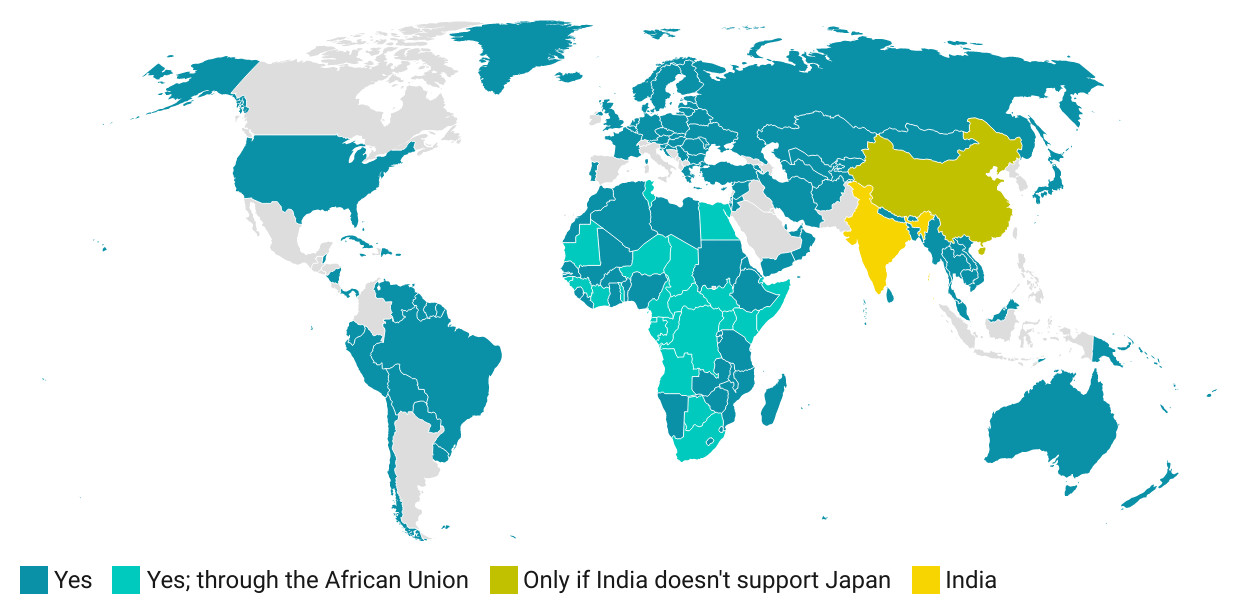
India UNSC permanent seat is now backed by Russia, who opposes the bids of Germany and Japan. This significant geopolitical development highlights shifting alliances and international dynamics.
Russia’s Support for India
In a significant diplomatic gesture, Russia has expressed unequivocal support for India’s bid for a permanent seat on the United Nations Security Council (UNSC). This backing is rooted in a long-standing partnership between the two nations, highlighting Russia’s commitment to a multipolar world order.
During recent discussions, Russian officials emphasized the need for reform within the UNSC, advocating for the inclusion of India as a key player in global governance. This stance is particularly noteworthy as it contrasts sharply with Russia’s opposition to the bids of other countries, such as Germany and Japan, which seek similar recognition.
Russia’s endorsement reinforces India’s aspirations and underscores the geopolitical dynamics that influence international relations. As India continues to push for a permanent seat on the UNSC, this support from Russia could prove instrumental in shaping future negotiations.
Opposition from Germany and Japan
While Russia has openly supported India’s bid for a permanent UNSC seat, opposition emerges from Germany and Japan. Both countries have expressed concerns regarding the implications of India’s inclusion in the Security Council.
Germany argues that granting India a permanent seat could disrupt the current balance of power within the UNSC. The German government emphasizes the need for reforms that would include a broader representation of developing nations, hinting that India’s inclusion alone may not suffice.
Similarly, Japan, although traditionally an ally of India, has reservations about the dynamics that a permanent Indian seat could introduce. Tokyo believes that such a move should be contingent upon a more comprehensive reform process, which includes other aspirants as well.
As discussions continue, the landscape for India’s UNSC permanent seat remains complex and multifaceted.
Implications for Global Politics
The endorsement of India’s bid for a permanent UNSC seat by Russia has significant implications for global politics. With this support, India strengthens its position as a key player in regional and international affairs, potentially reshaping power dynamics within the United Nations. This backing contrasts sharply with the opposition from Germany and Japan, who have historically sought a more prominent role in the UNSC.
Countries may now reconsider their alliances and diplomatic strategies in light of Russia’s clear stance. The geopolitical landscape could shift as nations align themselves with either the proponents or the detractors of India’s permanent seat.
Moreover, India’s inclusion in the UNSC could enhance its ability to influence global governance, allowing it to advocate for issues relevant to developing nations. The debate surrounding India’s UNSC permanent seat continues to evolve, reflecting broader trends in international relations.
The Role of UNSC in International Relations
The United Nations Security Council (UNSC) plays a pivotal role in shaping international relations, serving as a platform for addressing global security issues and fostering diplomatic dialogue. The debate surrounding India’s bid for a permanent UNSC seat highlights the evolving dynamics of power in the international community. As nations grapple with emerging threats, the need for a more representative and effective UNSC has become increasingly apparent.
The current structure reflects the post-World War II order, which no longer aligns with the geopolitical realities of the 21st century. A permanent seat for India could enhance the council’s legitimacy and effectiveness, particularly given its significant contributions to global peacekeeping and its status as one of the world’s largest democracies. However, opposition from countries like Germany and Japan continues to complicate the discussion surrounding India’s UNSC permanent seat.
Future of India’s Bid for Permanent Seat
The future of India’s bid for a permanent seat on the United Nations Security Council (UNSC) appears to be increasingly influenced by the geopolitical landscape. With Russia’s clear support, India is gaining traction among certain nations, but significant opposition remains. Germany and Japan have voiced their reluctance to endorse India’s aspirations, citing concerns over the balance of power within the council.
As the dynamics evolve, India’s strategy will need to focus on strengthening alliances and addressing the reservations of its detractors. The backing from Russia could provide a crucial boost, but India will also have to engage diplomatically with countries that oppose its bid.
In light of these challenges, India’s pursuit of a permanent UNSC seat remains a complex issue, requiring a multifaceted approach to seek broader acceptance on the international stage.
India’s bid for a UNSC permanent seat has garnered significant attention, particularly due to Russia’s clear support and opposition from other nations. The implications of India’s UNSC permanent seat could reshape the dynamics of international diplomacy in the region.
By Familiar_Internet via Openverse
References
Related stories
- Radio Signal from Planet Shows Proven Discovery
- India Mongolia military exercise: Proven Strategies for Success
- El Paso food bank: What caused the severe flooding damage?
About the Author


1 thought on “India UNSC permanent seat: Russia’s Clear Support and Opposition”