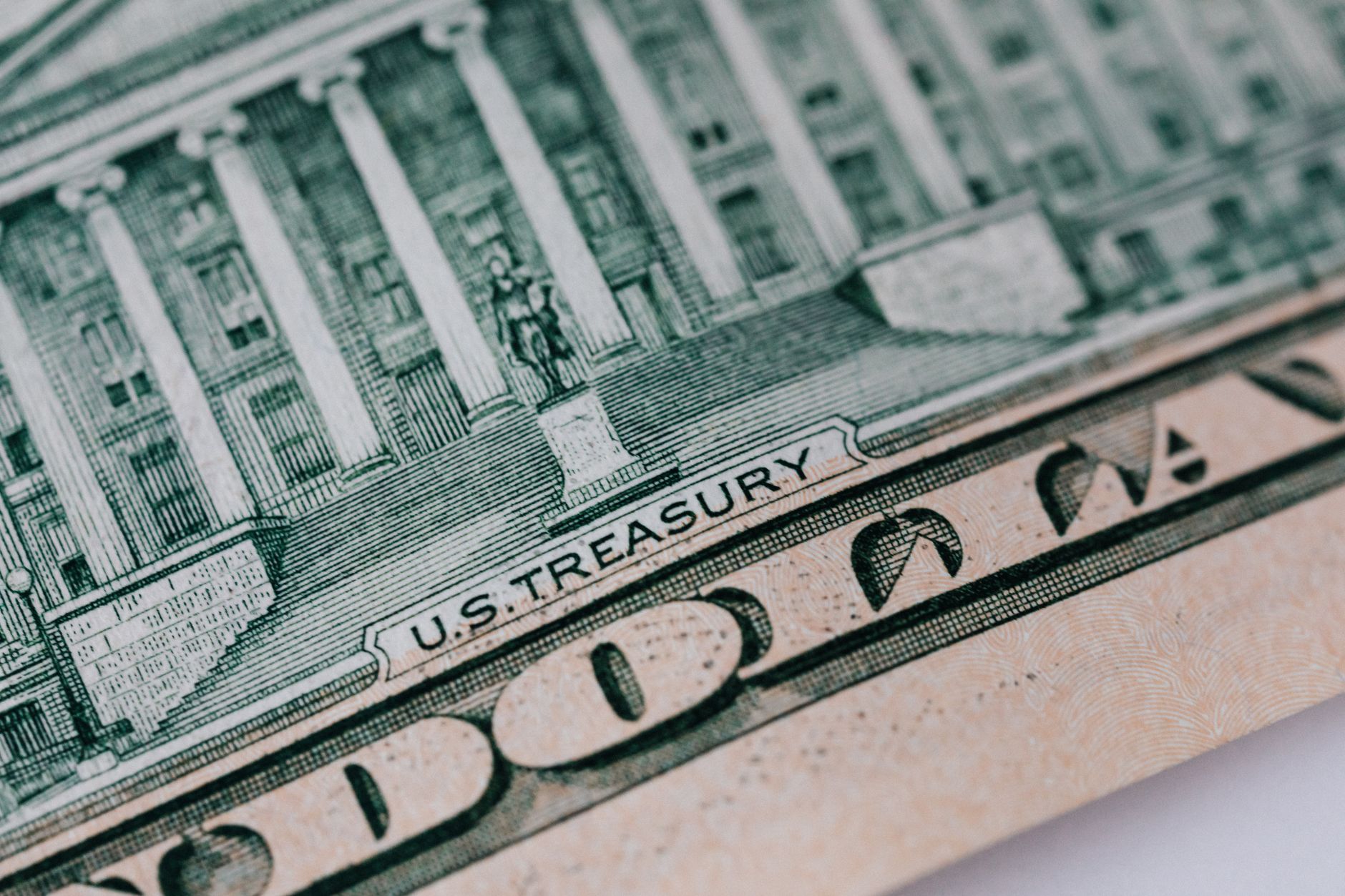
Treasury economic predictions may sound optimistic, but they are often pure fantasy. In this article, we dissect the latest forecasts and what they truly mean for the economy.
Understanding Treasury Predictions
The recent Treasury economic predictions have stirred significant debate among economists and policymakers. While the Treasury suggests an imminent economic boom, many experts argue that these forecasts may not reflect reality.
Critics point out several factors that challenge the optimism of these predictions:
- Inflationary Pressures: Persistent inflation may hinder consumer spending and investment.
- Supply Chain Issues: Ongoing disruptions could limit economic growth, contrary to Treasury expectations.
- Labor Market Struggles: A tight labor market might not support the growth projected by the Treasury.
- Global Uncertainties: Geopolitical tensions and economic instability abroad could impact the domestic economy.
As the Treasury continues to make bold claims, understanding the underlying factors that could derail these economic predictions is crucial for realistic policy planning.
The Reality Behind Economic Forecasts
The recent Treasury economic predictions have sparked significant debate among economists and policymakers. While the forecasts suggest a robust economic boom, many experts argue that these projections are overly optimistic and based on flawed assumptions.
Several factors contribute to the skepticism surrounding these predictions:
- Inflationary Pressures: Rising prices may erode consumer purchasing power, dampening economic growth.
- Labor Market Challenges: Persistent labor shortages could hinder productivity gains.
- Global Uncertainties: Ongoing geopolitical tensions and supply chain disruptions pose risks to sustained economic expansion.
As analysts scrutinize the Treasury’s optimistic outlook, it becomes clear that relying solely on these economic forecasts may lead to misguided policies and expectations.
In this complex environment, a more cautious approach may better reflect the realities of the current economic landscape.
Why Some Predictions Fail
Economic predictions from the Treasury often spark hope, yet many fail to materialize. This discrepancy can be attributed to several factors:
- Overestimation of Growth: Predictions may assume an overly optimistic growth trajectory, neglecting potential economic downturns.
- External Shocks: Unforeseen global events, such as pandemics or geopolitical tensions, can derail even the most carefully crafted forecasts.
- Data Limitations: The accuracy of predictions relies heavily on the data used, which can be incomplete or outdated.
- Policy Limitations: Economic policies enacted may not align with the forecasts, leading to unexpected results.
Ultimately, these factors contribute to the skepticism surrounding Treasury economic predictions, revealing the gap between fantasy and reality in economic forecasting.
Historical Accuracy of Treasury Forecasts
The historical accuracy of Treasury economic predictions has often come under scrutiny. While the Treasury aims to provide guidance on economic trends, their forecasts have frequently missed the mark. Analysts point out several reasons for this inconsistency:
- Over-optimism: Many predictions tend to be overly optimistic, failing to account for potential downturns.
- Lack of data: Incomplete or outdated data can lead to misguided forecasts.
- Changing economic conditions: Rapid shifts in the global economy can render predictions obsolete almost immediately.
This historical context highlights the skepticism surrounding Treasury economic predictions. As experts analyze past forecasts, it becomes evident that relying solely on Treasury projections can lead to misconceptions about future economic conditions.
Expert Opinions on Economic Trends
In light of recent Treasury economic predictions, several experts have voiced their concerns regarding the feasibility of these forecasts. Many economists argue that the optimistic outlook presented by the Treasury does not align with current economic indicators.
Key opinions include:
- Dr. Emily Turner, an economist at the National Institute, stated that “the projections of sustained growth overlook critical inflationary pressures.”
- Mark Johnson, a financial analyst, emphasized that “historical data shows a pattern of overestimation in Treasury predictions, which often leads to misguided policy decisions.”
- Lisa Chen, a market strategist, warned that “investors should remain cautious, as these Treasury economic predictions may create unrealistic expectations.”
As the debate continues, the gap between optimistic forecasts and economic realities becomes increasingly apparent.
Public Reaction to Economic Predictions
The recent Treasury economic predictions have sparked a wave of public reaction, with many expressing skepticism about the forecasts. Critics argue that the optimistic outlook lacks a solid foundation, leading to widespread discontent among citizens and economists alike.
Responses have varied significantly, including:
- Concerns over inflation: Many are worried about how such predictions could impact living costs.
- Calls for transparency: Citizens demand clearer explanations of the assumptions behind the forecasts.
- Distrust in government projections: A growing number of people question the credibility of the Treasury’s assessments.
Overall, the divergence between public sentiment and the Treasury’s forecasts highlights a critical dialogue about the reliability of economic predictions and their implications for future policy decisions.
Future Implications for the Economy
The recent Treasury economic predictions have sparked significant debate regarding their implications for the future economy. Many analysts are concerned that an overly optimistic outlook could lead to misguided policy decisions.
As businesses and consumers react to these forecasts, several key factors could influence the economy:
- Consumer Confidence: Unrealistic predictions may lead to confusion and skepticism among consumers.
- Investment Decisions: Companies might hesitate to invest based on shaky forecasts, impacting growth.
- Government Policies: Policymakers could implement measures based on flawed predictions, risking economic stability.
Ultimately, the accuracy of Treasury economic predictions is crucial for ensuring sound economic strategies. A clear understanding of potential pitfalls is necessary to navigate the complexities of future economic landscapes.
Conclusion: What It All Means
In conclusion, the recent Treasury economic predictions have sparked significant debate among economists, policymakers, and the public alike. As we have explored, the gap between optimistic forecasts and harsh realities raises critical questions about the reliability of such predictions. The disconnect often stems from a combination of overly optimistic models and external economic factors that are difficult to predict.
The implications of these inaccuracies extend beyond mere numbers; they can influence policy decisions, affect market behaviors, and shape public expectations. While it is essential for the Treasury to provide guidance, it is equally important for stakeholders to approach these forecasts with a healthy dose of skepticism.
Ultimately, a more nuanced understanding of economic trends and a recognition of the inherent uncertainties may lead to better-informed decisions that can navigate the complexities of the economy.
Photo by https://kaboompics.com/ on Pexels
Where this came from
Related reading
India’s Got Latent 2: The Best Moments with Bhuvan Bam · Mumbai BMW Crash: Worst Incident Captured on CCTV · India Semiconductor Investment: Proven Benefits for Growth
About the Author


1 thought on “Treasury Economic Predictions: The Wrong Fantasy Revealed”