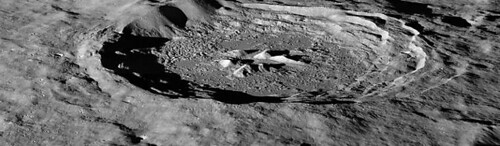
The Sun turns black, a phenomenon that has captured the attention of scientists and the public alike. This event raises questions about its implications for Earth and our solar system.
Understanding Solar Eclipses
Solar eclipses are fascinating astronomical events that occur when the Moon passes between the Earth and the Sun, partially or completely blocking the Sun’s light. During a total solar eclipse, the Sun turns black, creating a dramatic visual experience that can leave observers in awe. This phenomenon has captivated humanity for centuries, inspiring legends and scientific inquiry alike.
There are two main types of solar eclipses:
- Total Solar Eclipse: This occurs when the Moon completely covers the Sun, as seen from Earth. The skies darken, temperatures can drop, and stars may become visible during the day.
- Partial Solar Eclipse: In this case, only a portion of the Sun is obscured by the Moon, leading to a crescent-shaped Sun visible from certain locations on Earth.
Solar eclipses can also be classified as annular eclipses, where the Moon covers the center of the Sun, leaving a “ring of fire” visible around the edges. These events can generate excitement and curiosity, prompting people to gather and witness the spectacle. While the Sun turns black during these moments, it is essential to remember that such eclipses are natural occurrences that happen regularly and are not indicative of any catastrophic events for Earth.
What Happens When the Sun Turns Black?
When the Sun turns black, it signifies a rare and dramatic event that can have profound implications for Earth and its inhabitants. This phenomenon typically occurs during a total solar eclipse when the Moon completely obscures the Sun’s light. However, the term can also refer to more catastrophic celestial events, such as when a star undergoes a supernova or collapses into a black hole.
During a total solar eclipse, several immediate changes can be observed:
- Temperature Drop: As the Sun’s light is blocked, the temperature on Earth can drop significantly, leading to a sudden chill.
- Animal Behavior: Many animals may become confused, mistaking the darkness for night and altering their usual behaviors.
- Atmospheric Changes: The reduction in sunlight can affect atmospheric conditions temporarily, potentially altering wind patterns.
While a total solar eclipse is a temporary event, the catastrophic scenarios involving the Sun turning black due to stellar death can lead to long-term consequences for any nearby planets. In such events, radiation and gravitational forces would drastically change the surrounding environment, making it uninhabitable.
Understanding the implications of these occurrences helps scientists and the public appreciate the delicate balance of life on Earth and the significant role the Sun plays in sustaining it.
The Science Behind the Darkness
The phenomenon of the sun turning black is often surrounded by myths and misinformation. In reality, this event is a result of specific astronomical occurrences that can significantly impact Earth. Understanding the science behind this darkness is crucial for grasping its implications.
One of the primary causes of the sun turning black is a total solar eclipse. During an eclipse, the moon passes directly between the Earth and the sun, casting a shadow on our planet. This can cause the sun to appear as if it has gone dark, leading to a temporary loss of sunlight.
However, there are more severe scenarios that involve the sun turning black. These include:
- Solar Flares: Intense bursts of radiation can obscure sunlight, affecting communication and power systems on Earth.
- Coronal Mass Ejections: Large expulsions of plasma from the sun can disrupt the Earth’s magnetic field, causing blackout conditions.
- Supernova Events: Although unlikely, if a nearby star went supernova, it could momentarily block sunlight, leading to catastrophic effects on the planet.
In essence, while the sun turning black can be a breathtaking spectacle, it also serves as a reminder of the powerful forces at play in our solar system and their potential consequences for life on Earth.
Historical Events of Solar Blackouts
Throughout history, various events have been recorded where the Sun appeared to turn black, leading to widespread fear and speculation. These occurrences often coincided with significant solar eclipses, but some have had more profound implications for humanity.
One of the most notable events occurred in 1780, when a total solar eclipse plunged parts of North America into darkness during the day. Witnesses reported that the sky turned an eerie black, and the temperature dropped significantly, causing confusion and panic among those who experienced it.
Another significant moment in history was the dark day of May 19, 1780, in New England. The phenomenon was so striking that it was discussed in the legislature, prompting theories ranging from divine intervention to volcanic eruptions. Although no solar blackout was recorded, the inexplicable darkness left a lasting impact on the region’s inhabitants.
In solar mythology, cultures have often interpreted the Sun turning black as an omen. For instance, ancient civilizations would conduct rituals to appease gods or prevent calamities when faced with such celestial events.
While the Sun turning black can be awe-inspiring, it also serves as a reminder of our planet’s vulnerability to cosmic phenomena. Understanding these historical events helps us appreciate the mysteries of our universe and the delicate balance of life on Earth.
Implications for Earth and Space Travel
The phenomenon of the Sun turns black during a solar eclipse raises significant concerns for both Earth and space travel. As the Sun obscures its light, the immediate effects can be profound, altering both the environment and the behavior of various systems.
One major implication for Earth is the potential disruption of climate patterns. The sudden drop in solar radiation can lead to temporary cooling, impacting weather systems and agricultural cycles. This can result in crop failures or shifts in growing seasons, with long-lasting effects on food supply and economics.
Additionally, the darkness can confuse wildlife, particularly species that rely on daylight for navigation and feeding. Birds may alter their migration patterns, and nocturnal animals could become more active, resulting in disruptions in local ecosystems.
For space travel, the risks increase dramatically. Astronauts and equipment in orbit may face heightened exposure to cosmic rays during such events. The loss of solar energy can also affect satellite operations, leading to communication failures and navigational errors.
Furthermore, scientists must consider how frequent occurrences of the Sun turns black could influence long-term plans for human colonization of other planets. Understanding these implications is crucial for developing strategies to mitigate risks associated with solar phenomena.
Future Predictions and Observations
As scientists strive to understand the phenomenon of the Sun turns black, future predictions and observations are becoming increasingly vital. Experts in astrophysics and solar dynamics are closely monitoring solar activity to assess the likelihood of significant solar events that could lead to extensive blackouts.
Analysts emphasize the importance of advanced telescopes and satellite technology in gathering data about the Sun. Upcoming missions aim to:
- Enhance understanding of solar flares and coronal mass ejections.
- Monitor solar cycles more accurately to predict potential blackouts.
- Investigate the long-term effects of solar activity on Earth’s atmosphere.
Recent advancements have led to improved models of solar behavior, allowing researchers to foresee events that could cause the Sun to turn black. These models provide crucial insights into how such occurrences might affect communication systems, power grids, and even space travel.
Looking ahead, collaboration between international space agencies and research institutions is expected to yield more comprehensive data. The goal is to create a robust framework for preparedness in the event of another solar blackout, ensuring that society is equipped to handle the repercussions of the Sun turns black.
The potential consequences of a scenario where the Sun turns black could be catastrophic for life on Earth. Scientists are studying various models to understand what might happen if the Sun turns black and how it would affect our planet’s climate and ecosystems.
By mikecogh via Openverse
References
Barcrest Slot Sites odds of winning Wild Wolf Better Sites Offering Barcrest Harbors · No-deposit Added bonus casino Wunderino Gambling enterprises & Bonus Rules Canada October 2026 · Ocean 50 free spins Triple Dragon Fortune Riviera Eden Playa del Carmen Trademark resort
About the Author