tree removal D.C. golf course plans have been halted by a judge, ensuring the preservation of important greenspace in the area. This decision affects Trump’s proposed overhaul of the golf course.
Judge’s Ruling on Tree Removal
A recent ruling by a D.C. judge has put a halt to the controversial tree removal at a local golf course that has been at the center of discussions regarding its proposed overhaul. This decision has been hailed by environmental advocates as a significant victory for nature.
The judge’s ruling came after a series of hearings where the potential ecological impact of the proposed tree removal was debated. Many argued that the trees play a crucial role in the local ecosystem, providing habitat for wildlife and contributing to air quality. In the face of rising concerns over climate change and urban development, advocates emphasized the need to preserve green spaces in urban settings.
Details of the ruling highlighted several key points:
- Environmental Assessment: The judge underscored the necessity of a thorough environmental assessment before any tree removal could take place.
- Public Sentiment: Community members expressed their strong opposition to the proposed changes, citing the importance of the golf course’s trees for both recreation and nature.
- Legal Precedent: This case sets a precedent for future projects that may threaten local ecosystems in urban areas.
As discussions continue regarding the future of the D.C. golf course, the ruling serves as a reminder of the importance of balancing development with environmental preservation, especially in the context of tree removal D.C. golf course plans.
Impact of Trump’s Proposal
The impact of Trump’s proposal on the D.C. golf course has sparked significant debate among environmentalists and local residents. Many view the halted tree removal as a crucial victory for preserving the area’s natural beauty and ecological balance.
Under the original plan, the extensive removal of trees was deemed necessary to facilitate the proposed renovations. However, the judge’s ruling has temporarily put a stop to these plans, allowing the community to breathe a sigh of relief. This decision has highlighted the importance of maintaining green spaces in urban environments, especially in a metropolis like Washington, D.C.
Supporters of the ruling argue that the trees play a vital role in:
- Improving air quality
- Providing habitats for wildlife
- Enhancing the aesthetic value of the golf course
Opponents of the proposal, however, claim that the renovations could have attracted more visitors and generated additional revenue for the city. They believe that tree removal at the D.C. golf course was necessary for modernization and growth. Yet, as the legal battle continues, the future of the golf course remains uncertain.
For many, the trees represent a connection to nature that should not be easily sacrificed. The community is now rallying together to advocate for sustainable practices and find alternative solutions that do not compromise the environment.
Community Reactions to the Decision
Community reactions to the recent decision to halt the tree removal at the D.C. golf course have been overwhelmingly positive. Many residents and environmental advocates expressed relief that the judge’s ruling will protect the local ecosystem and preserve the area’s natural beauty.
Local environmental organizations, such as the Green Spaces Coalition, celebrated the ruling as a significant victory for nature. A spokesperson for the coalition stated, “The trees not only provide shade and beauty but also play a vital role in maintaining biodiversity.” Many community members echoed this sentiment, emphasizing the importance of keeping green spaces intact.
Several residents took to social media to voice their support for the decision. Comments ranged from expressions of gratitude to calls for increased conservation efforts. One local resident remarked, “This is not just about golf; it’s about protecting our community’s heritage and environment.”
However, not everyone is in agreement. Some golf enthusiasts worry that the decision may hinder future improvements to the course. They argue that selective tree removal could enhance playability and safety. Despite these concerns, the prevailing mood remains one of optimism for the preservation of the landscape.
With the tree removal D.C. golf course project on hold, community members are hopeful that this ruling will foster more discussions about environmental stewardship and sustainable practices in the area.
Environmental Concerns Raised
Environmental advocates have voiced significant concerns over the proposed tree removal at the D.C. golf course, emphasizing the critical role trees play in local ecosystems. The halted project has drawn attention to the importance of preserving green spaces, especially in urban settings where such areas are increasingly under threat.
Many experts argue that the removal of mature trees could lead to detrimental effects on wildlife habitats, air quality, and soil health. A coalition of environmental organizations has rallied to protect the area, highlighting the numerous benefits trees provide:
- Habitat Preservation: Trees serve as essential habitats for various species of birds, insects, and small mammals.
- Climate Regulation: They play a vital role in regulating temperatures and improving air quality through carbon absorption.
- Stormwater Management: Trees help mitigate flooding by absorbing rainfall and reducing runoff.
As discussions continue regarding the future of the D.C. golf course, advocates are urging local authorities to consider alternative solutions that would allow for the renovation of the course without compromising the existing tree population. The community’s strong response indicates a growing awareness of the need to balance development with environmental stewardship.
In light of these environmental concerns, the decision to halt tree removal has been celebrated as a clear win for nature and a step towards more sustainable urban planning.
Future of the Golf Course
The future of the D.C. golf course remains uncertain following the recent judicial decision to halt tree removal. Local environmentalists celebrate the ruling as a crucial victory for nature, emphasizing the importance of preserving green spaces in urban areas. The golf course, which has been a point of contention in light of proposed renovations, is now at a crossroads.
Supporters of the golf course argue that improvements are necessary to modernize the facilities and attract more visitors. However, there is a growing concern about the ecological impact of any potential development. The halted tree removal has given advocates time to rally support for the preservation of the course’s natural landscape.
As discussions continue, several key factors will influence the ultimate direction of the golf course:
- Environmental Impact Assessments: Any future proposals will likely require thorough evaluations to address ecological concerns.
- Community Engagement: Ongoing dialogue with local residents will be vital in shaping the future of the course.
- Legal Considerations: The outcome of potential appeals or further legal action may also affect plans for renovation.
Ultimately, the fate of tree removal at the D.C. golf course represents a broader conversation about land use and environmental stewardship in urban settings. The decision not only affects the course but also sets a precedent for future projects across the region.
Legal Implications of the Ruling
The recent ruling to halt tree removal at the D.C. golf course has significant legal implications that could resonate beyond this particular case. The decision, made by a local judge, emphasizes the importance of adhering to environmental regulations when considering alterations to public lands. This ruling serves as a reminder of the legal protections that exist for natural resources, particularly in urban settings.
One key aspect of the ruling centers on compliance with the National Environmental Policy Act (NEPA), which requires thorough environmental assessments before any major projects can commence. The court found that the proposed tree removal, part of a larger overhaul suggested by former President Trump, failed to consider the potential ecological impacts adequately. This oversight could set a precedent for future legal challenges against projects that overlook environmental assessments.
Furthermore, the ruling highlights the role of community advocacy in influencing legal outcomes. Local residents and environmental groups have long opposed the extensive changes proposed for the golf course, arguing that tree removal would adversely affect local wildlife and ecosystem health. With this ruling, community voices are being recognized in the legal arena, reinforcing the idea that public input is essential in environmental decision-making.
- Future Legal Challenges: Similar cases may emerge in response to other proposed developments.
- Environmental Precedents: This ruling could strengthen protections for urban green spaces.
Next Steps for Local Officials
Following the recent ruling that halted tree removal at the D.C. golf course, local officials are now tasked with determining the best path forward. The decision has sparked numerous discussions regarding the future management and preservation of the area.
Local officials are expected to convene to assess the implications of the judge’s ruling and to engage with community stakeholders. Key areas of focus will include:
- Restoration Plans: Exploring options for restoring the natural habitat affected by previous proposals.
- Community Engagement: Hosting forums to gather input from residents regarding the golf course’s future and their environmental concerns.
- Policy Review: Evaluating existing policies related to land use and environmental protection to prevent similar issues in the future.
- Partnerships with Environmental Groups: Collaborating with local conservation organizations to enhance the ecological integrity of the golf course.
Moreover, as discussions unfold, officials will need to balance the economic interests tied to the golf course with the community’s desire to protect natural resources. The focus on tree removal D.C. golf course highlights a broader movement towards sustainable practices in urban landscapes. As local leaders move forward, their decisions will undoubtedly shape the course’s legacy and its relationship with the surrounding environment.
The decision to halt the tree removal D.C. golf course project has sparked a wave of support from environmental advocates. Many believe that preserving the natural landscape is essential for maintaining local biodiversity.
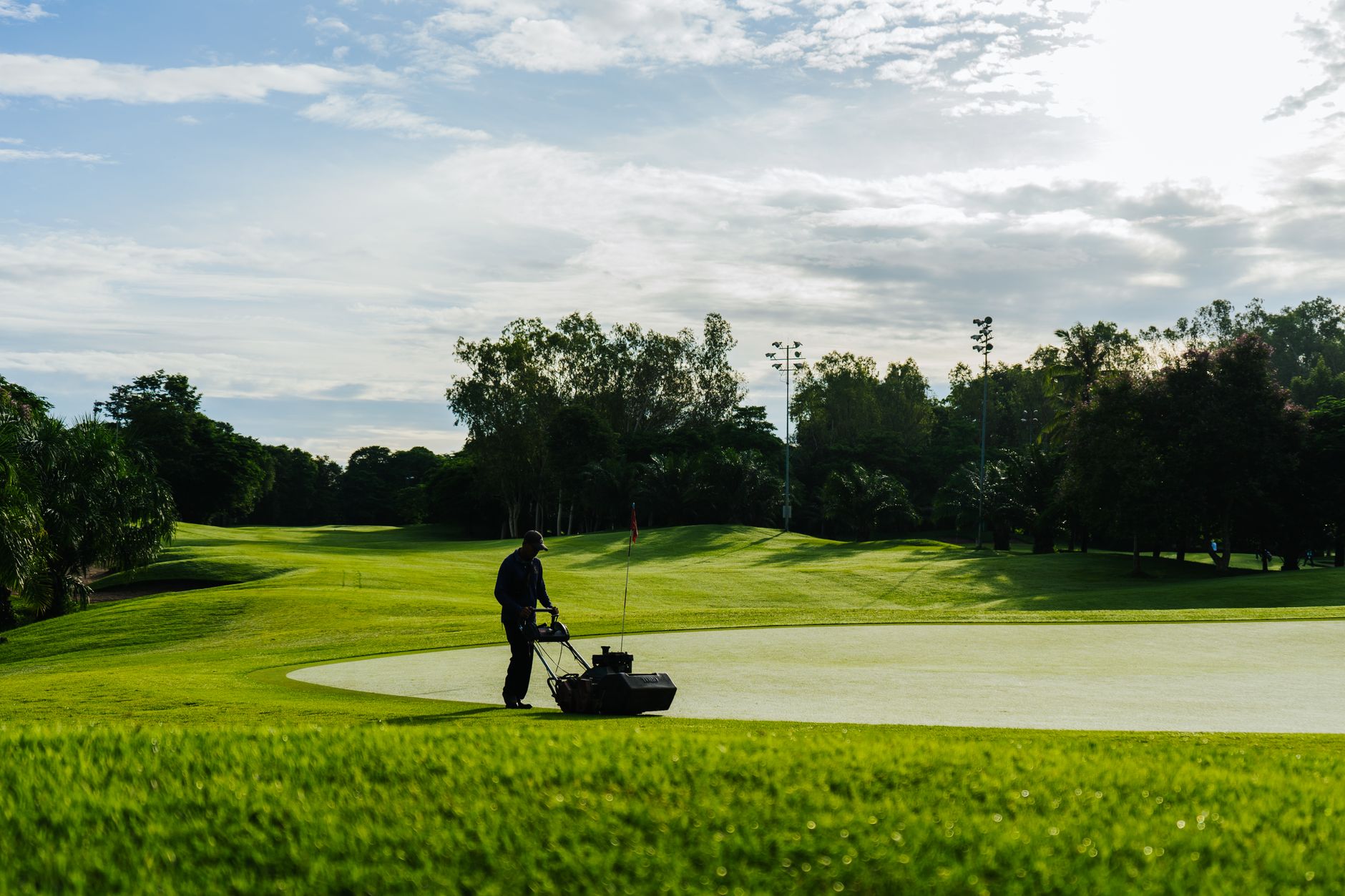
Photo by Makesavanh Oudthalith on Pexels
References
- Gratification Sans nul Classe Casino 2025 : Produits Abusives sauf que Chiffres
- Greatest 100 percent free Revolves No-deposit Offers 2026 A real income Victories
- Salle de jeu Un brin Ou Skrill : Les grands Casinos Bienveillant Cette technique De credits
About the Author